Start with the source.
Use specialists for each signal. Keep published records distinct from estimates and AI-generated interpretation.
 LocalyticsSIMS
SERIOUS DATA. A SIMPLER PICTURE.
LocalyticsOur source framework. Explore each provider and its role below.
01 / REVIEWSCustomer voices

Trust starts with what customers actually say. Birdeye brings published reviews together, making ratings, new feedback, and changes in reputation easier to follow.
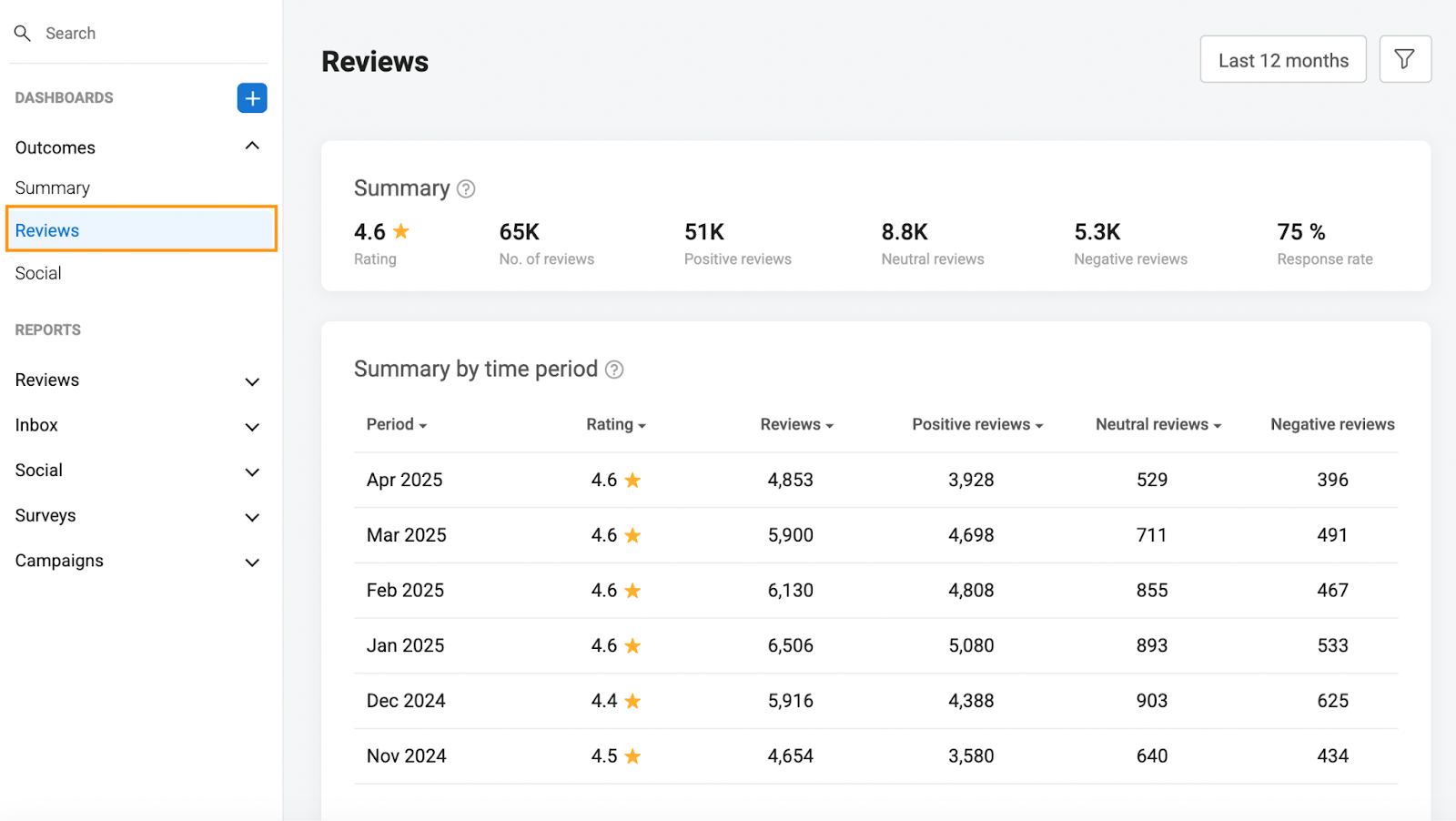
Reviews inform reputation. Review growth brings the pace of a business into focus.
02 / WEBSITE TRAFFICModeled estimates

Semrush uses clickstream data and statistical modeling to estimate website activity and compare reach and momentum.
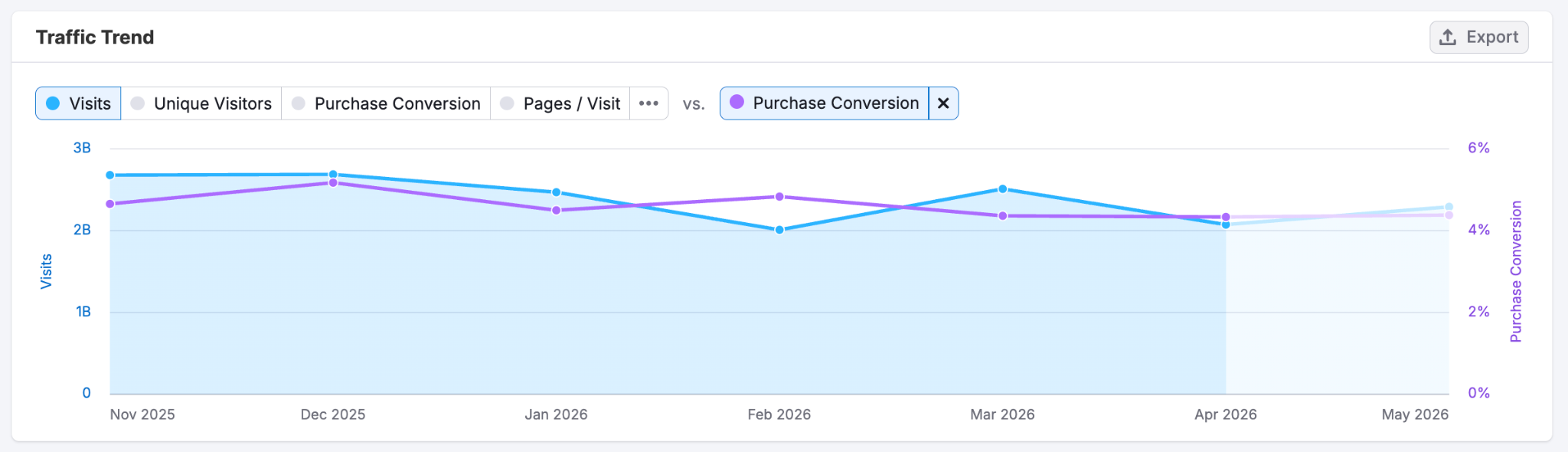
Traffic gives market activity context—helping you see which businesses are gaining attention.
03 / AD INTELLIGENCEObserved activity

SpyFu reveals observed Google search ads and paid keywords. Explore the messages a business uses, the searches it targets, and how its approach changes over time.
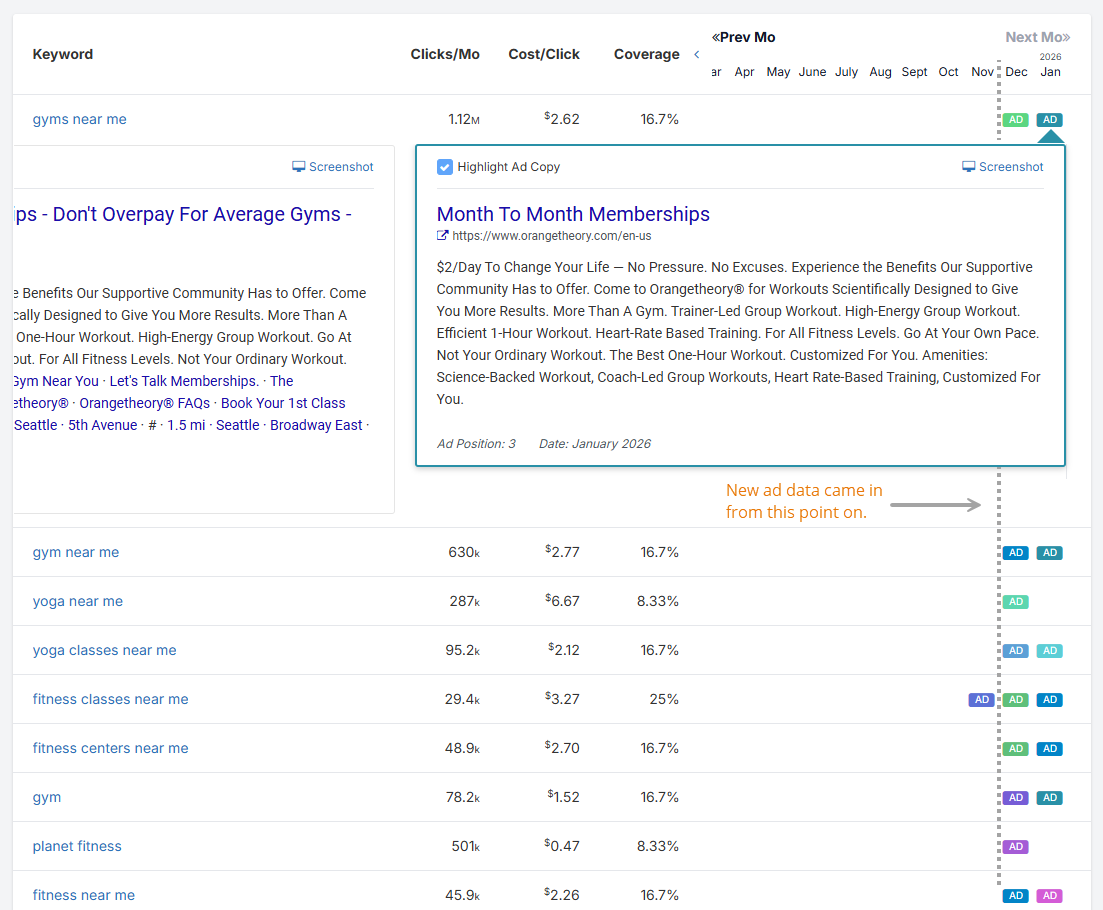
Ad intelligence turns competitor messaging into something you can explore, compare, and learn from.
04 / THE INTELLIGENCE LAYER
Reviews tell a story. AI helps surface recurring praise, frustrations, and opportunities—so you can get to the useful part faster.
Our approach starts with the review text. Summaries should preserve context, distinguish recurring themes from isolated comments, and keep the underlying feedback within reach.
“The crew arrived on time and left everything clean.”
“Friendly team. I would have liked a clearer arrival window.”
These examples praise the crew’s service and care. Clearer arrival updates could make the experience even better.
“Service and care” combines the clean finish in the first example with the friendly team in the second. The arrival-update suggestion comes from the second example.
QUALITY IS IN THE DETAILS
Good data is more than a number. It needs a source, a time period, and an honest explanation of what it can tell you.
Use specialists for each signal. Keep published records distinct from estimates and AI-generated interpretation.
Freshness depends on provider refreshes and collection time. Read dates and reporting periods before comparing results.
Match the business, location, and website.
| The signal | What you’re looking at | How to read it |
|---|---|---|
| Reviews | Published customer feedback | Review dates and original listing. |
| Traffic | Modeled website estimates | Compare like-for-like periods, regions, and devices. |
| Ads | Observed Google search activity | Date observed and advertising history. |
| AI summaries | Interpretation of review text | Use the source reviews to verify themes and nuance. |
A FEW GOOD QUESTIONS
Each provider has its own refresh schedule. Use the collection date and reporting period shown with each metric.
Third-party traffic, clicks, and ad spend are modeled estimates for comparing scale and direction.
SpyFu tracks observed Google search ads, paid keywords, and advertising history.
The city combines saved business records, traffic estimates, historical ads, and connected market data where available. Illustrative content is labeled. Buildings and street activity visualize the metrics.
A NEW PERSPECTIVE ON LOCAL GROWTH
Get a feel for your market in a whole new way.